


Behind the Label: What Makes a Sauce Premium
Premium sauces aren’t just about higher price tags - they’re about quality, flavor, and nutrition. These sauces use high-quality ingredients like vine-ripened tomatoes, aged vinegars, and cold-pressed oils. They avoid artificial additives, focusing on natural components for better taste and health benefits. Small-batch production methods, such as slow-cooking, enhance flavor and ensure tighter quality control.
Key highlights of premium sauces:
- Ingredients: Natural, recognizable, and often organic or locally sourced.
- Flavor: Balanced, multi-layered profiles with a focus on umami and depth.
- Nutrition: Lower sodium, no artificial preservatives, and nutrient-packed.
- Production: Small-batch techniques for better consistency and taste.
When choosing a premium sauce, check the label for natural ingredients, low sodium, and certifications like USDA Organic or Non-GMO Verified. These sauces are perfect for enhancing meals with bold flavors while maintaining a healthier profile.
Key Features of Premium Sauces
What makes a $15 artisanal sauce stand out from a $2 grocery store option? Four defining features set premium sauces apart, combining exceptional flavor with thoughtful nutritional benefits.
High-Quality Ingredients
Every premium sauce begins with top-tier raw materials. Think vine-ripened tomatoes picked at their peak, locking in natural sweetness, acidity, and nutrients for a genuine, fresh taste.
Instead of using everyday white vinegar, premium sauces often incorporate aged balsamic or unfiltered apple cider vinegar. These choices not only elevate the flavor but also introduce probiotics. Similarly, cold-pressed oils replace refined vegetable oils, offering better flavor stability and healthy fats.
Spices and herbs are another cornerstone. Premium producers rely on whole spices ground on-site or freeze-dried herbs to preserve their essential oils and aromas. Sourcing is equally critical - many brands partner directly with local farms or certified organic suppliers to ensure traceability and freshness. This hands-on approach often results in ingredients that taste better and meet higher quality standards.
Complex Flavor Profiles
Quality ingredients are just the start; the real magic of premium sauces lies in their multi-layered flavors. These sauces strike a delicate balance between sweet, salty, acidic, and umami elements, creating a harmonious taste experience.
Umami, the savory “fifth taste,” is often enhanced with ingredients like aged cheeses, mushroom extracts, or fermented additions, providing depth without artificial enhancers. For instance, premium hot sauces might blend different pepper varieties, each offering distinct heat levels and flavor notes, to craft a complexity that evolves as you taste.
Additional techniques, like controlled aging and the use of roasted garlic or toasted spices, further enhance the sauce’s depth, ensuring every bite delivers a rich and balanced flavor.
Health-Focused Nutrition
Premium sauces don’t just taste good - they’re designed with today’s health-conscious consumers in mind. By using alternatives like citrus acids, herb blends, and natural fermentation, these sauces reduce sodium without compromising flavor. They also avoid artificial additives, making them suitable for diets like keto or gluten-free.
What sets them apart nutritionally is their high nutrient content. Made with real vegetables, herbs, and spices, these sauces are packed with vitamins, antioxidants, and plant-based compounds. For example, a premium marinara might boast significant amounts of lycopene from high-quality tomatoes, while herb-based sauces offer essential oils known for their anti-inflammatory properties.
Small-Batch Production Methods
Small-batch production is where premium sauces truly shine. These methods allow for artisanal techniques, like hand-stirring, precise temperature control, and slow-cooking, which develop deeper, more nuanced flavors. Producers can also tweak seasonings during quality testing to ensure consistency.
Unlike mass-produced sauces made in industrial batches of thousands of gallons, small batches - typically ranging from 50 to 500 gallons - enable close monitoring at every stage. Slow-cooking techniques, reminiscent of home cooking, prevent the harsh, overcooked flavors often found in high-heat industrial processes.
Even the packaging reflects the premium nature of these sauces, with careful sealing and attention to detail ensuring that each jar captures the peak flavor of its ingredients.
How to Read Sauce Labels for Quality
If you're trying to pick out a truly top-tier sauce, the label holds all the clues. Knowing how to decode it can help you spot a premium product and avoid mass-market options loaded with unnecessary additives. Here's what to focus on.
Understanding Ingredient Lists
The ingredient list is where you can uncover the real story behind a sauce. High-quality sauces stick to natural, recognizable ingredients - the kind you'd use in your own kitchen. Think organic tomatoes, raw honey, apple cider vinegar, herbs, and plant extracts. These choices reflect a commitment to both flavor and health.
On the flip side, be wary of ingredients like High Fructose Corn Syrup (HFCS), Sodium Benzoate, Artificial Flavors, Caramel Color, and regular Corn Syrup. These are often found in mass-market sauces and are flagged by many retailers due to concerns about health and quality.
"They say life without flavor is not worth living, but what if I told you most companies are compromising your health for flavor. Nowadays, too many brands are getting away with including junky artificial ingredients in their products." - Loubier Gourmet
Transparency is another hallmark of premium sauces. Instead of listing confusing "E-numbers" like E300 or E330, quality brands will use terms like vitamin C and citric acid - names that consumers actually understand and trust. As Advanced Biotech points out, when consumers don't recognize an ingredient, they're less likely to trust it.
Pay attention to natural flavor enhancers, too. Ingredients like basil extract, chipotle pepper essence, garlic oil, and rosemary extract are common in high-quality sauces. For color, premium brands often rely on plant-based coloring rather than synthetic dyes.
Once you've reviewed the ingredients, it's time to dive into the Nutrition Facts panel.
Checking Nutrition Facts
The nutrition panel is a goldmine of information about a sauce's quality. Premium sauces often contain less sodium but maintain flavor using natural alternatives like citrus acids or herb blends.
Added sugars are another area to scrutinize. Sweetness is common in certain sauces, but the source matters. High-quality options opt for natural sweeteners like raw honey or organic cane sugar, steering clear of artificial sweeteners or HFCS.
A slightly higher calorie count isn't necessarily a bad thing - it can reflect the nutrient density of real, whole-food ingredients. When those calories come from vegetables, herbs, and healthy oils, they often signal a sauce that's both flavorful and nutritious.
Look for dietary labels that align with your preferences, such as gluten-free, vegan, keto-friendly, or paleo-compliant. These labels usually indicate cleaner ingredients and more careful production processes. Additionally, premium sauces often suggest smaller serving sizes since their concentrated flavors pack more punch per tablespoon compared to mass-market options.
Lastly, certifications can confirm a sauce's premium status.
Quality Certifications to Look For
Certifications are the ultimate seal of approval when it comes to premium sauces. They provide reassurance that the product meets strict quality standards.
USDA Organic certification is one of the most trusted indicators. It guarantees that the ingredients are free from synthetic pesticides, GMOs, and artificial preservatives. This certification requires ongoing inspections and detailed documentation.
The Non-GMO Project Verified label is another key marker, ensuring that none of the ingredients have been genetically modified. This certification involves rigorous testing and supply chain checks, underscoring a brand's dedication to natural ingredients.
Clean Label certifications highlight simplicity and transparency. These programs evaluate products to ensure they avoid artificial additives and excessive processing - qualities often associated with premium sauces.
For specific ingredients, look for certifications like Fair Trade for spices or cocoa, which indicate ethical sourcing, or Rainforest Alliance certification, which points to sustainable farming practices. Regional authenticity certifications, such as Protected Designation of Origin (PDO), can also signal a sauce made with traditional methods and authentic ingredients.
"Today, consumers want natural, recognizable ingredients that meet their health needs." - Advanced Biotech
Some brands go even further, showcasing their quality practices directly on the label. Terms like "no preservatives", "small-batch", "hand-crafted", or "cold-pressed" often hint at artisanal production methods that enhance both flavor and nutritional value.
sbb-itb-f97e3b5
Premium Sauce Examples and How to Use Them
Discover real-world examples of premium sauces and learn how they can bring new life to your everyday cooking.
Taste Flavor Co Premium Sauce Options
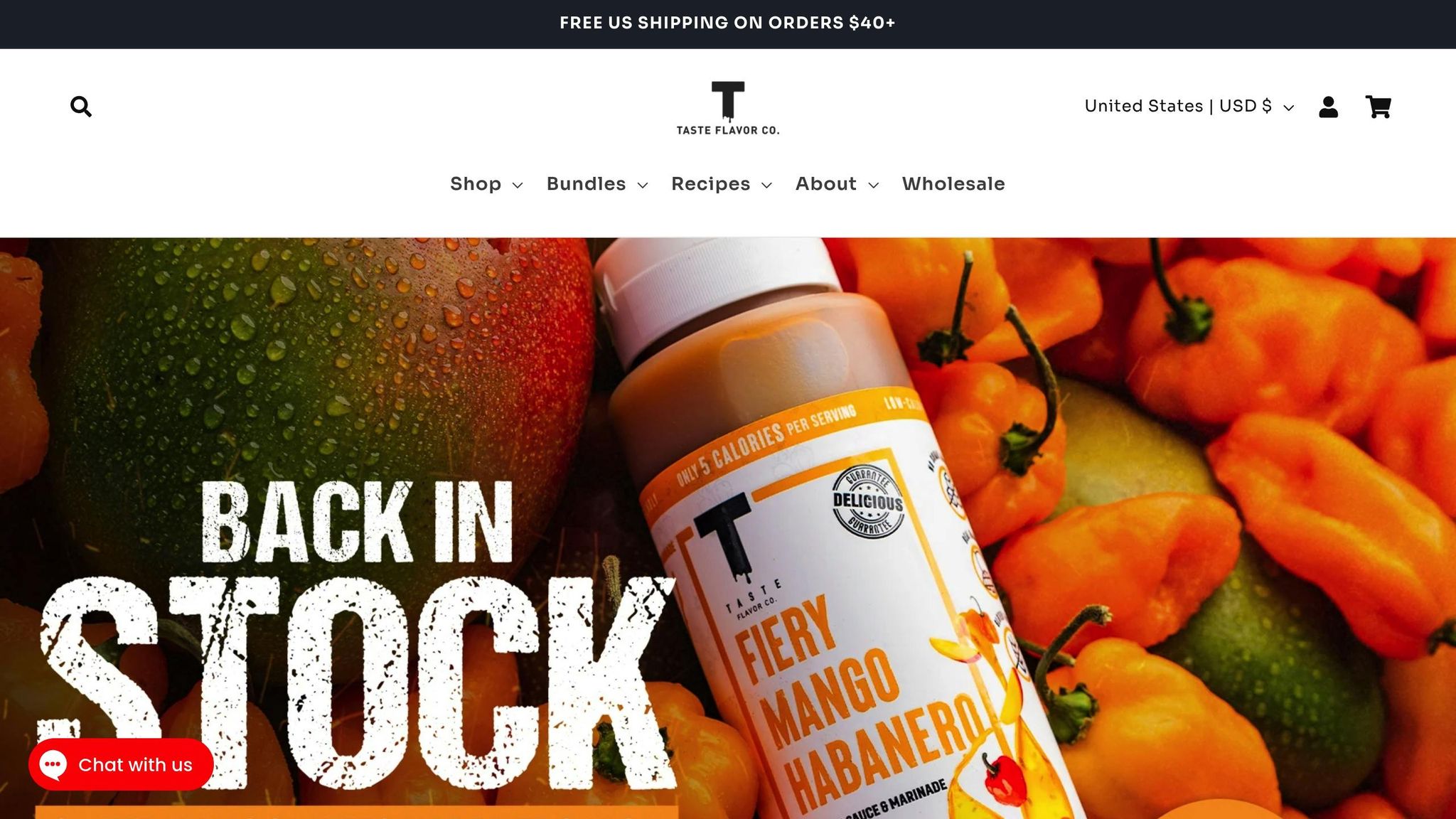
Taste Flavor Co. offers a lineup of sauces that exemplify top-tier standards, combining high-quality, natural ingredients with small-batch craftsmanship. Each sauce is carefully designed to deliver bold flavors while keeping calories low - 10 or fewer per serving.
- Spicy Garlic Parm: A perfect mix of parmesan, garlic, and a touch of heat for a well-rounded flavor profile.
- Hot Honey Sriracha: Combines the natural sweetness of honey with the zesty kick of sriracha for a sweet-heat balance.
- Buffalo Blue Cheese: A classic wing sauce reimagined with clean ingredients, blending creamy cheese and the spicy tang of fermented peppers.
- Sweet Honey Mustard: A refined take on the traditional favorite, featuring high-quality mustard and honey for sweet-tangy goodness.
- Cherry Smoked BBQ: A smoky barbecue sauce with a hint of cherry, adding a unique twist to grilled and slow-cooked dishes.
All these sauces are gluten-free, keto-friendly, and vegan-friendly, crafted without oils or preservatives. Instead, they rely on natural preservation techniques and careful production methods. Their versatility makes them perfect for creating flavorful, healthy meals.
Healthy Recipe Ideas
Incorporating these sauces into your meals is an easy way to elevate flavors while keeping things nutritious.
- Spicy Garlic Parm: Use it as a marinade by mixing 2 tablespoons with olive oil and coating chicken breasts before grilling. For vegetables, toss roasted Brussels sprouts or cauliflower with the sauce during the last 5 minutes of cooking.
- Hot Honey Sriracha: Drizzle over roasted sweet potatoes, carrots, or butternut squash for a spicy-sweet finish. It also works wonderfully as a glaze for salmon - brush it on during the last 3 minutes of baking at 400°F.
- Buffalo Blue Cheese: Toss steamed broccoli or roasted cauliflower with this sauce for a bold, creamy flavor. It also doubles as a dip for raw veggies like celery and bell peppers or as a finishing touch for grilled chicken thighs or turkey meatballs.
- Sweet Honey Mustard: Glaze pork tenderloin or chicken during the final 10 minutes of roasting for a sweet and tangy kick. Alternatively, thin it with apple cider vinegar to create a vinaigrette for salads with mixed greens and fruit.
- Cherry Smoked BBQ: Ideal for slow-cooked dishes, use it as a braising liquid for pork shoulder or beef chuck - just add 1/4 cup to your slow cooker with onions and bell peppers. For quicker meals, brush it onto grilled portobello mushrooms or baked sweet potato wedges.
These sauces not only bring premium quality to your table but also inspire simple and healthy ways to enhance your favorite dishes.
How to Add Premium Sauces to Your Meals
Ready to take your meals to the next level? Premium sauces are a fantastic way to add bold flavors without overwhelming your dishes. Here's how to use them effectively for maximum taste and nutrition.
Proper Serving Sizes
Since premium sauces pack a punch, you don’t need much to make an impact. Check the Nutrition Facts label for serving size and nutritional details. If you decide to use more than one serving, remember to adjust the nutrient totals accordingly.
Typically, 1–2 tablespoons are enough to enhance a serving of protein or vegetables. Think of it like using 2 tablespoons of light salad dressing - that’s all you need to bring out the flavors. Plus, most servings are only 10 calories or fewer.
For precision, use U.S. measuring spoons. With the right portion in mind, let’s dive into how to pair these sauces with classic American dishes.
Pairing with American Dishes
Premium sauces can completely transform everyday meals when paired thoughtfully. Here are some tasty ideas:
- Buffalo Blue Cheese: Add a tangy twist to a salad or burger. Toss it with greens, grilled chicken, and celery for a buffalo wing-inspired salad. Or, spread a tablespoon on a burger bun to balance the richness of the beef.
- Spicy Garlic Parm: Mix 2 tablespoons with pasta water to coat whole wheat or chickpea noodles. It’s also a fantastic finishing sauce for baked chicken or roasted veggies.
- Cherry Smoked BBQ: Brush this sauce on pork chops before finishing them in a 375°F oven, or glaze grilled corn during the last few minutes of cooking. The subtle cherry flavor complements the smoky char perfectly.
- Sweet Honey Mustard: Toss roasted root vegetables - like carrots, parsnips, or sweet potatoes - with this sauce during the final 10 minutes of roasting for a caramelized finish. It also works as a dip or glaze for holiday dishes.
- Hot Honey Sriracha: Drizzle over scrambled eggs or avocado toast for a sweet-and-spicy kick. It’s also great for balancing the bitterness of roasted Brussels sprouts or cauliflower.
Options for Different Diets
Premium sauces aren’t just versatile - they also fit a wide range of dietary preferences. Here’s how they can work for you:
- Keto-friendly: These low-carb, sugar-free sauces are perfect for keeping your macros in check. Use them to add variety to grilled chicken, cauliflower rice, or zucchini noodles.
- Gluten-free: No wheat-based thickeners here! Pair them with naturally gluten-free grains like quinoa or rice for a burst of flavor.
- Vegan: Plant-based options, like the Buffalo Blue Cheese flavor, deliver creamy, tangy goodness without any dairy or eggs.
- Low-sodium: Thanks to their concentrated flavor, you can use smaller portions to enhance your meals without relying on extra salt.
- Whole30 and Paleo: These sauces skip processed oils, preservatives, and artificial ingredients, making them a clean choice for various eating plans.
Conclusion: Choosing Quality Sauces for Better Meals
Bringing together the key points about quality and usage, it's clear how premium sauces can take your meals to the next level. They make healthy eating flavorful and enjoyable without compromising on nutrition.
Using high-quality ingredients ensures not only better taste but also added nutritional value. Unlike basic, one-note condiments, premium sauces deliver complex flavors that elevate any dish. Many of these options are designed with health in mind, offering benefits like low-calorie counts (often 10 calories or less per serving) and essential nutrients. Whether you're following a keto, gluten-free, vegan, or other dietary plan, these sauces provide the flexibility to stick to your goals while enjoying bold, satisfying flavors. Small-batch production ensures attention to detail, and clear labeling helps you pick the right sauce for your needs.
Take, for example, brands like Taste Flavor Co., which show that healthy eating doesn’t mean settling for bland meals. With just 1-2 tablespoons, you can transform everyday proteins and veggies into dishes that rival restaurant quality. These sauces are perfect for everything from quick weeknight dinners to more elaborate meals, making them a must-have in any kitchen.
FAQs
What health advantages do premium sauces offer compared to regular ones?
Premium sauces stand out not just for their taste but also for their potential health perks, thanks to their emphasis on top-notch ingredients and limited use of artificial additives. These sauces often have lower levels of sodium, added sugars, and unhealthy fats, which can contribute to better heart health and help manage blood pressure.
What sets many premium sauces apart is their use of natural, nutrient-packed ingredients. Some even feature fermented elements, which are loaded with probiotics - great for supporting digestion and boosting your immune system. Opting for premium sauces is an easy way to elevate your meals with enhanced flavor and added nutritional benefits.
What should I look for to spot a premium sauce at the grocery store?
When you're on the hunt for a premium sauce, start by examining the label. Look for natural, high-quality ingredients like fresh herbs, vine-ripened tomatoes, or cold-pressed oils. Steer clear of options loaded with artificial additives, preservatives, or ingredients you can't pronounce.
A truly premium sauce will often have a rich and layered flavor with a smooth, even texture. Pay attention to details like small-batch production or traditional cooking techniques - these often indicate a higher level of care and attention to quality.
And don’t forget to trust your senses. Premium sauces are known for their vibrant colors, fresh, inviting aromas, and flavors that taste clean and genuine, making any meal feel a little more special.
What should I consider when adding premium sauces to my meals?
When picking premium sauces, it’s a good idea to check the nutritional content to make sure they fit your dietary preferences. Watch out for sodium, sugar, and fat levels - too much of these can affect your health over time. If you’re aiming for a healthier option, consider sauces labeled as low-sodium, low-sugar, or organic.
Sauces made with high-quality, natural ingredients can also bring extra perks, like vitamins, minerals, and antioxidants. For instance, tomato-based sauces are often packed with lycopene, which can support overall well-being. Choosing sauces that align with your dietary goals doesn’t just boost the flavor of your meals - it can also add to their nutritional value.