


Are Sugar-Free Sauces Healthy? What You Should Know
Sugar-free sauces seem like a smart choice for cutting calories and managing blood sugar, but they’re not always as healthy as they appear. While they can help reduce sugar intake, many are packed with artificial sweeteners, sugar alcohols, and preservatives that may cause health issues like overeating, digestive discomfort, or even increased cardiovascular risks.
Here’s what you need to know:
- Artificial sweeteners like sucralose and aspartame can disrupt hunger signals and gut health.
- Sugar alcohols (e.g., erythritol) may cause bloating and have been linked to heart risks.
- High sodium levels and additives like modified starches or emulsifiers can harm kidney function and increase blood pressure.
How to choose better options:
- Look for sauces with 3–7 recognizable ingredients (e.g., herbs, spices, vinegar).
- Avoid products with excessive sodium (over 200 mg per tablespoon) or additives like MSG and seed oils.
- Prioritize labels like USDA Organic or Non-GMO Verified for cleaner ingredients.
Brands like Taste Flavor Co stand out for using real ingredients, low calories, and avoiding harmful fillers. Their sauces, like Spicy Garlic Parm or Sesame Ginger Teriyaki, offer healthier alternatives without sacrificing flavor.
Bottom line: Sugar-free sauces can be part of a balanced diet if you carefully read labels and choose products made with simple, wholesome ingredients.
The Problem: Health Risks in Sugar-Free Sauces
Sugar-free sauces often come with their own set of risks due to the substitute ingredients they rely on. Understanding these ingredients is crucial for making better choices.
Artificial Sweeteners and Their Safety Concerns
Artificial sweeteners are a common feature in sugar-free sauces, but they can pose potential risks. Take sucralose, for example - it's about 600 times sweeter than regular sugar and has been shown to increase appetite by nearly 20% compared to sugar. Dr. Katie Page, Associate Professor of Medicine and Pediatrics at USC Keck School of Medicine, explains:
"Sucralose activates the area in the brain that regulates hunger, and that activation, in turn, is linked to greater ratings of hunger."
This creates a paradox: a product designed to cut calories might actually lead to overeating. The brain's reaction to intense sweetness without accompanying energy can disrupt hunger regulation. In May 2023, the World Health Organization issued a warning against using non-sugar sweeteners for long-term weight management, emphasizing that they fail to reduce body fat over time. Studies have also connected prolonged use of artificial sweeteners to increased waistlines over nine years and higher BMI after eight years.
Another common ingredient, erythritol, a sugar alcohol, has been linked to increased blood clotting and a higher risk of stroke and heart attack. Dr. Stanley Hazen, Chair of Cardiovascular and Metabolic Sciences at Cleveland Clinic, highlights:
"These findings underscore the importance of further long-term clinical studies to assess the cardiovascular safety of erythritol and other sugar substitutes."
Digestive troubles are another issue. Sugar alcohols like xylitol, sorbitol, and erythritol can draw water into the colon, leading to diarrhea, bloating, and abdominal discomfort. Other sweeteners such as saccharin, sucralose, and stevia may alter gut bacteria, potentially reducing beneficial strains and causing gas, cramping, or even flare-ups in individuals with inflammatory bowel diseases. Aspartame, meanwhile, poses a specific risk for people with phenylketonuria (PKU).
But artificial sweeteners aren't the only concern - other additives in sugar-free sauces can also impact health.
Other Harmful Ingredients in Sugar-Free Sauces
Beyond sweeteners, sugar-free sauces often include additional additives that can carry health risks. Sodium is a major culprit. Dr. Brent M. Egan, Vice President of Cardiovascular Health at the American Medical Association, explains:
"Soy sauce and a lot of the ketchups that we use have higher levels of sodium. Tomato-based products also have quite a bit of sodium added as well."
On average, Americans consume about 3,400 mg of sodium daily, far exceeding the recommended limit of 2,300 mg. High sodium intake can cause water retention, increasing blood pressure and straining blood vessels, which raises the risk of hypertension. For individuals with existing heart or kidney conditions, the recommended limit drops even further, to 1,500 mg.
Emulsifiers and preservatives add another layer of concern. Studies involving 109,000 adults have identified a mix of additives - including modified starches, pectin, guar gum, carrageenan, polyphosphates, xanthan gum, potassium sorbate, and curcumin - that may have harmful effects. Carlos Augusto Monteiro, Emeritus Professor at the University of Sao Paulo, warns:
"The research shows that the intake of certain clusters of additives increases the risk of diabetes beyond the effect of each individual additive."
Modified starches, often used to thicken sauces, are part of a group of phosphate additives that can harm kidney function. Elizabeth Dunford, Adjunct Assistant Professor at the University of North Carolina at Chapel Hill, notes:
"There is a plethora of research to show the detrimental effect phosphate intake has on kidney function, and it is most certainly linked to negative effects in type 2 diabetes."
In the United States, nearly 70% of grocery store foods are classified as ultra-processed, and sugar-free sauces often fall into this category. These products are designed for long shelf life and bold flavors, not nutrition. Their additives can disrupt gut health, trigger inflammation, and contribute to issues like metabolic syndrome, heart disease, and obesity.
These risks highlight the need to carefully read labels and opt for products made with simple, wholesome ingredients.
sbb-itb-f97e3b5
The Solution: How to Pick Healthy Sugar-Free Sauces
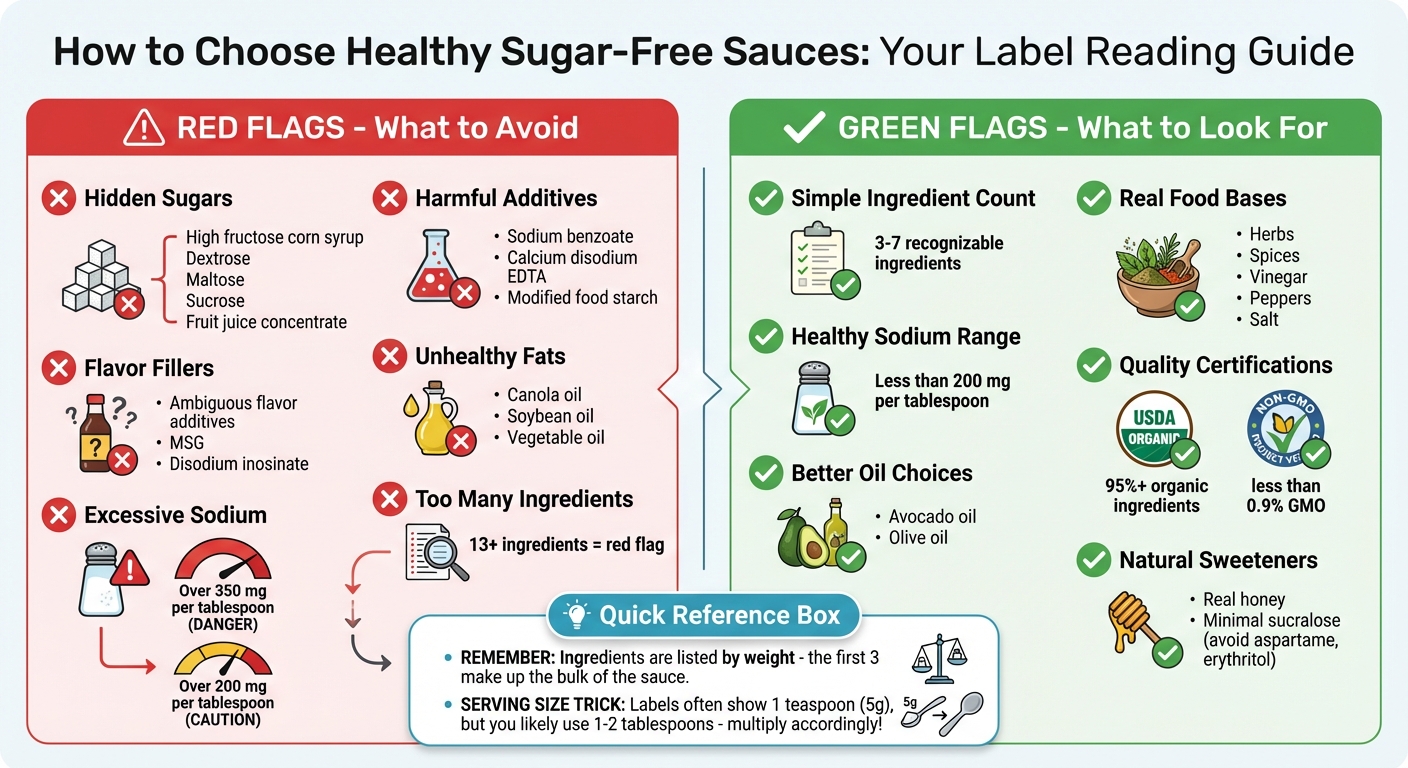
Sugar-Free Sauce Label Reading Guide: What to Avoid vs What to Choose
Finding a genuinely healthy sugar-free sauce takes more than just glancing at the front label. The real trick lies in understanding the ingredients and distinguishing marketing claims from the actual nutritional content.
What to Look for on Nutrition Labels
Start by examining the back of the bottle. The ingredient list is your best guide - ingredients are listed in descending order by weight, meaning the first three usually make up the bulk of the sauce.
Stick to sauces with 3–7 ingredients to avoid excessive additives. If a sauce lists 13 or more ingredients, it’s often a red flag for unnecessary fillers or preservatives. A straightforward option might include components like peppers, vinegar, and salt, while a more processed brand could add water, modified food starch, xanthan gum, and preservatives like sodium benzoate.
Keep an eye on sodium levels. Even if "salt" isn’t prominent in the ingredient list, sodium can show up in preservatives and flavor enhancers like sodium benzoate, monosodium glutamate (MSG), and disodium inosinate. A healthy sauce should contain less than 200 mg of sodium per tablespoon. Anything over 350 mg is on the higher side. Pay attention to serving sizes too - nutrition facts often reflect a single teaspoon (5 g), but most people use 1–2 tablespoons.
Avoid unnatural additives. Ingredients that sound overly scientific, like calcium disodium EDTA or modified food starch, are best left on the shelf. The term "natural flavors" might seem harmless, but it can legally encompass over 100 different chemical compounds. Also, avoid sauces containing inflammatory seed oils like canola, soybean, or vegetable oil, which are commonly used as cheap fillers.
| Category | What to Avoid |
|---|---|
| Hidden Sugars | High fructose corn syrup, dextrose, maltose, sucrose, fruit juice concentrate |
| Harmful Additives | Sodium benzoate, calcium disodium EDTA, modified food starch |
| Flavor Fillers | Ambiguous flavor additives, MSG, disodium inosinate |
| Unhealthy Fats | Canola oil, soybean oil, vegetable oil |
Look for trusted certifications. Labels like USDA Organic (indicating 95%+ organic ingredients with no synthetic pesticides or GMOs) and Non-GMO Project Verified (ensuring less than 0.9% GMO content) are backed by annual inspections and stricter ingredient standards. These seals help confirm that a product meets quality benchmarks.
By focusing on these label details, you can ensure you’re choosing sauces with authentic, minimally processed ingredients.
The Benefits of Real Ingredients
With so many hidden additives in sugar-free sauces, prioritizing real ingredients is more important than ever.
Sauces made with recognizable, natural ingredients provide better nutrition. Look for products where the top ingredients are whole foods for maximum health benefits.
Using real ingredients, especially herbs and spices, can help stabilize blood sugar and avoid the spikes caused by hidden sugars in traditional sauces. For example, a single tablespoon of honey mustard can pack in 4 grams of sugar.
The demand for sugar-free condiments is rising, with the category growing at 15% annually. Health-conscious shoppers are driving this trend, seeking simple ingredient lists over complicated formulas. This shift highlights the growing preference for sugar-free products that not only enhance flavor but also align with wellness goals.
Spotlight: Taste Flavor Co's Healthy Sugar-Free Sauces
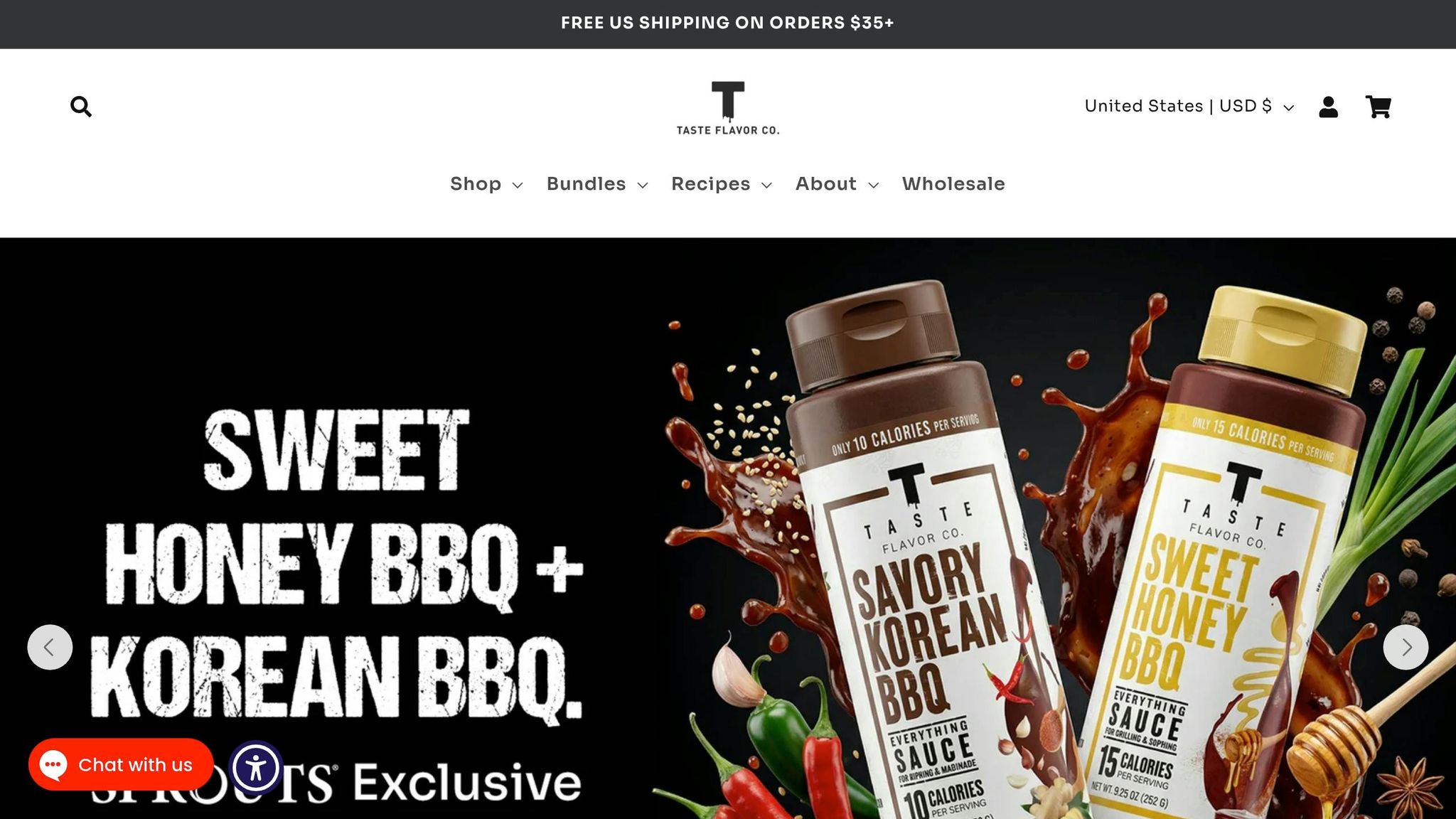
When it comes to sugar-free sauces that actually live up to their health claims, Taste Flavor Co takes the spotlight. Their philosophy is simple: use real ingredients, keep calories ultra-low, and steer clear of seed oils. Founded by fitness professionals Joey Swoll and Jason Dooney, these sauces are designed to make healthy eating easier without sacrificing flavor. Let’s dive into what makes their approach stand out in the crowded world of condiments.
What Makes Taste Flavor Co Different
Taste Flavor Co stays true to ingredient transparency by using whole-food components to create flavors that feel fresh and authentic. What sets them apart? Their recipes rely on real food bases, avoiding artificial fillers and additives. For example, their Cherry Smoked BBQ sauce uses real cherries, the Spicy Garlic Parm features real Parmesan, the Sweet Honey Mustard includes U.S.-sourced honey, and the Buffalo Blue Cheese sauce contains actual blue cheese crumbles.
Calorie counts are impressively low, with every sauce clocking in at under 10 calories per serving. The Buffalo Blue Cheese, for instance, has just 5 calories, while traditional sauces often pack 60–140+ calories. Their Fiery Mango Habanero has over 87% fewer calories, and the Creamy Southwest Ranch cuts more than 80% compared to conventional options.
Instead of relying on oils like soybean or canola, they use avocado oil in their Creamy Southwest Ranch for a heart-healthier alternative. Meanwhile, their Sesame Ginger Teriyaki replaces traditional soy sauce with organic coconut aminos, making it soy-free and lower in sodium. All their sauces are certified gluten-free and keto-friendly, with several vegan options available. Sodium levels range from just 70 mg to 280 mg per serving, keeping them well within a moderate range.
The brand’s commitment to quality doesn’t stop at ingredients. With over 1,069 five-star reviews and accolades such as "Best Condiment 2025" for their Fiery Mango Habanero at Sauce King NYC, it’s clear customers are loving the results. Sauce King NYC even noted, "Don't dare think of this as a diet product!" In March 2026, Taste Flavor Co expanded into Sprouts Farmers Market locations nationwide, introducing two exclusive flavors: Savory Korean BBQ (10 calories, made with reduced-sodium tamari) and Sweet Honey BBQ (15 calories, made with real U.S. honey).
Taste Flavor Co vs. Generic Sugar-Free Sauces
Taste Flavor Co proves that focusing on real, minimally processed ingredients can lead to sauces that don’t just taste better but also align with healthier lifestyles. Here’s what sets them apart:
- Ultra-Low Calories: Most sauces are under 10 calories per serving, with a range of 5–15 calories.
- Real Ingredients: Crafted with actual fruit, cheese, avocado oil, and U.S. honey - no water-based fillers or artificial thickeners.
- No Seed Oils: Free from soybean, canola, and other vegetable oils.
- Moderate Sodium: Sodium content ranges from 70 mg to 280 mg per serving, much lower than many competitors.
- Clean Sweeteners: Uses sucralose or real honey instead of aspartame or erythritol.
- Diet-Friendly Options: Certified gluten-free, keto-friendly, and with vegan choices available.
Pricing starts at $8.99 per bottle, with bundles available from $25.95. They also offer discounts for military members and first responders.
Taste Flavor Co is redefining what sugar-free condiments can be - delicious, healthy, and made with integrity.
Pricing and Bundle Options
Taste Flavor Co keeps things simple with transparent pricing and perks like free shipping on orders over $35. They also offer discounts for military members and first responders. Gift cards starting at $10 make it easy to share these healthier condiments with friends or let them choose their favorites. As of March 30, 2026, you can even find Taste Flavor Co sauces, including exclusive flavors like Savory Korean BBQ and Sweet Honey BBQ, at Sprouts Farmers Market locations nationwide.
Conclusion: Making Better Choices for Your Health
The sugar-free sauce market is expanding by 15% every year, signaling a growing interest in healthier ingredient options. Many traditional sauces are packed with hidden sugars and chemical preservatives, which can undermine your wellness efforts.
To make smarter choices, start by reading labels closely. Look for sauces made with simple, recognizable ingredients like herbs, spices, and natural flavors. These small changes can help you avoid blood sugar spikes and energy crashes, all while keeping your meals flavorful and enjoyable.
FAQs
Which sweeteners in sugar-free sauces are most likely to upset my stomach?
Sugar alcohols such as sorbitol and maltitol, often found in sugar-free sauces, can sometimes cause stomach troubles. For some people, these sweeteners may trigger bloating, gas, or even diarrhea. If you know you're sensitive to them, it's a good idea to read ingredient labels closely to steer clear of any unwanted discomfort.
How can I tell if a sugar-free sauce is ultra-processed from the label?
When reviewing ingredient lists, keep an eye out for signs of heavy processing. Additives, preservatives, or artificial ingredients are common indicators of ultra-processed products. If the list is packed with unfamiliar or synthetic components, it’s likely highly processed. On the other hand, products with fewer and simpler ingredients are often closer to their natural state.
What should I look for if I need a low-sodium sugar-free sauce?
Check out sauces labeled as low-sodium, but don't stop there - take a close look at the ingredient list. Even sugar-free options can pack in a surprising amount of sodium. Always read the label carefully to make sure it aligns with your dietary goals.